
28 to 40: Danger Zone Keeping Women from Leadership Parity
 Women are not promoted at the same rate as men. This disparity takes many different forms, as does the gender pay gap that stunts leadership parity around the world.
The pay gap starts within a year out of college according to AAUW. That said, women in their early 20s earn almost as much as men, and the number of women and men in the top 10% of earners is roughly equal.
But as women approach their 30s the pay gap starts to widen, and by age 45 women earn on average 28% less than their male colleagues.
It is not clear where this “danger zone” became established, but studies find that when women are progressing through the middle ranks of their careers, it is the age bracket between 28 and 40 where they usually run into gendered barriers and are lost to the higher rankings in businesses and companies.
Twenty-eight to forty is a critical age for career development. This phenomenon where women too often fail to be promoted at the same rate as men poses a problem for not only women, but also for companies.
INTENTIONING
Sex, Power, Pandemics, and How Women
Will Take The Lead for (Everyone’s) Good
The new book from Gloria Feldt about the future, taking the leadership lessons learned from this disruption and creating a better world for all through the power of intention.

Lest you are thinking, “But that’s prime childbearing and raising age. Many women opt out for that reason,” think again before you place the onus on the female employee. Studies have found that mothers are penalized when it comes to promotions, whereas fathers benefit on the promotion and pay scale.
[kml_flashembed movie=”http://plus.cnbc.com/rssvideosearch/action/player/id/3000218453/code/cnbcplayershare” height=”380″ width=”400″ /]
Opportunity Now is a campaign on gender diversity from Business in the Community, based in London. Opportunity Now aims to increase women’s success at work, because it’s not only good for business but good for society too. Its agenda aims to empower employers to accelerate change for women in the workplace.
To be sure, other factors are in play—women are less assertive in asking for pay increases and promotions, for example, and inadequate paid parental leave policies still place extra burdens on women since they are the ones who give birth. Still it is clear that systemic barriers exist and need to be addressed if organizations are to benefit from the full complement of human capital available.
So, it piqued my interest when I saw Opportunity Now is conducting an online survey on the gender gap. They are calling on women to share their work experiences and life goals in an attempt to unravel the problem of why women see their careers stall in their 30s.
The survey is live at www.project2840.com for one month. It is backed by a host of FTSE 100 chief executives, from Barclays, GSK and Rolls Royce, as well as the heads of government departments, the London Fire Brigade and the British Army.
Although seeking to understand the experience of women aged 28-40, the organizers also want to hear from younger and older women, including those who have left the workforce in the last five years.
I encourage anyone reading this to contribute their stories to this survey www.project2840.com . Make your voice heard. The more employers and employees understand about gender leadership imbalance, the easier it will be to solve the problems that are holding women back from leadership parity.
And please post your comments here too—let’s discuss not just the problems but the solutions, and find examples of companies and organizations that do the best job.
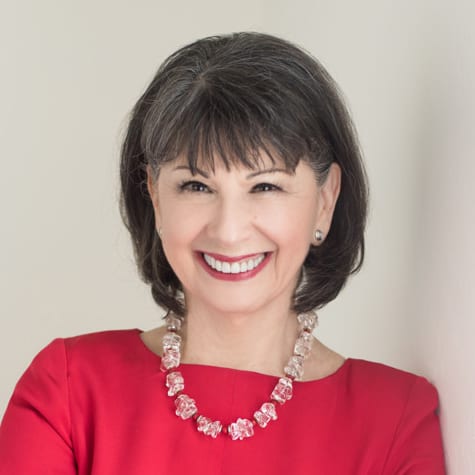
GLORIA FELDT is the New York Times bestselling author of several books including No Excuses: 9 Ways Women Can Change How We Think About Power, a sought-after speaker and frequent contributor to major news outlets, and the Co-Founder and President of Take The Lead. People has called her “the voice of experience,” and among the many honors she has been given, Vanity Fair called her one of America’s “Top 200 Women Legends, Leaders, and Trailblazers,” and Glamour chose her as a “Woman of the Year.”
As co-founder and president of Take The Lead, a leading women’s leadership nonprofit, her mission is to achieve gender parity by 2025 through innovative training programs, workshops, a groundbreaking 50 Women Can Change The World immersive, online courses, a free weekly newsletter, and events including a monthly Virtual Happy Hour program and a Take The Lead Day symposium that reached over 400,000 women globally in 2017.