
Women, Ambition, and Barrier Breaking
In my previous post suggesting an “Obama for Women” agenda, I suggested Barack Obama incorporate an initiative to pass the Equal Rights Amendment, which was first introduced in 1923 and still hasn’t been ratified into the Constitution. John has posted a couple of times to say that he sees giving equality to women under the law as imposing one morality on all. Further, he’s pointed out that women are 51% of the population, so we should act like the majority we are and know our own power.
Though his first point is ludicrous, the second raises some questions worth considering. I began to ask some of them in an article I wrote for Elle magazine’s upcoming September edition (time out for self-promotion: check newsstands the first week in August). In my research, I found that political doors are now open for women, but women aren’t walking through them, let alone racing through them toward parity in elected office as I’d like to see. So when my friend and WomenGirlsLadies panel colleague Deborah Siegel asked me to guest post on her Girl With Pen blog while she’s off getting married, I decided to ask some tough questions which I will cross post here on Heartfeldt. To wit, and I look forward to your thoughts as to the why and what’s to be done about it:
I am perplexed. I hope you can help me figure this out.
During the last 50 years, thanks to feminism and other civil rights movements, reliable birth control, and an economy that now requires more brain than brawn, women have broken many barriers that historically prevented them from partaking as equals at life’s table. But though we’ve smashed many corporate glass ceilings and marble barriers to political leadership, and now make up the
majority of college students and graduates
INTENTIONING
Sex, Power, Pandemics, and How Women
Will Take The Lead for (Everyone’s) Good
The new book from Gloria Feldt about the future, taking the leadership lessons learned from this disruption and creating a better world for all through the power of intention.

, women remain far from parity in any sphere of political or economic endeavor. For example,
women hold just 16% of seats in Congress and 25% of state legislative offices
;
in mainstream media corporations and
15% of corporate board positions
. And despite gender equity laws and the separation of biology from reproductive destiny,
women still earn approximately 3/4ths of what men
do while shouldering the lion’s share of responsibility for childrearing. These factors are interrelated, though they have usually been thought of as discrete problems, and that is one reason they still exist.
Still, it seems to me—and I am a second wave feminist who has seen many barriers fall, but I’m well aware of the many structural challenges women still face—that by far the most intractable problem facing women today is not that doors aren’t open, at least wide enough to give us the sense of possibilities, but that women aren’t walking through the open doors with intention sufficient to transform the workplace, politics, or relationships.
I am trying to figure out why we don’t seem to use all the power we have to change the system so that it works better for us. I’d like to know what you think. Here are just a few of the theories that have been advance
Women have less ambition than men.
Women have less motivation than men.
Women are more adverse to competition than men.
Women see these problems as individual ones rather than problems that women have in common, and therefore don’t join together as a political force to solve them.
Women do not negotiate compensation as aggressively as men.
Women are more turned off by the rough and tumble attacks of political campaigns than men are.
Do you think I’m simply all wet in my statement that women aren’t walking through the doors with intention sufficient to transform the workplace, politics, or relationships?
I know that many GWP readers (and readers of Heartfeldt) are experts in various aspects of these questions, and even more important, have a stake in bringing about greater equity and equality for women. What are your thoughts? What do you think is to be done about it? I am eager to hear from you in your comments below.
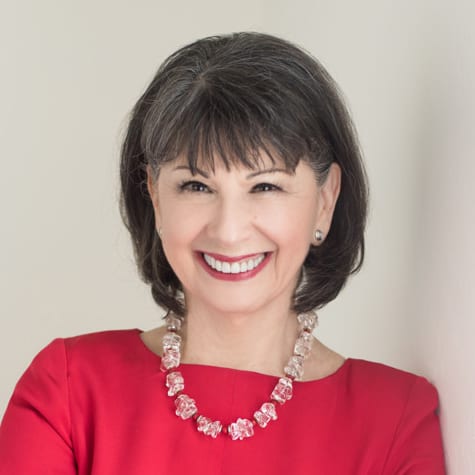
GLORIA FELDT is the New York Times bestselling author of several books including No Excuses: 9 Ways Women Can Change How We Think About Power, a sought-after speaker and frequent contributor to major news outlets, and the Co-Founder and President of Take The Lead. People has called her “the voice of experience,” and among the many honors she has been given, Vanity Fair called her one of America’s “Top 200 Women Legends, Leaders, and Trailblazers,” and Glamour chose her as a “Woman of the Year.”
As co-founder and president of Take The Lead, a leading women’s leadership nonprofit, her mission is to achieve gender parity by 2025 through innovative training programs, workshops, a groundbreaking 50 Women Can Change The World immersive, online courses, a free weekly newsletter, and events including a monthly Virtual Happy Hour program and a Take The Lead Day symposium that reached over 400,000 women globally in 2017.